
 740-369-1953
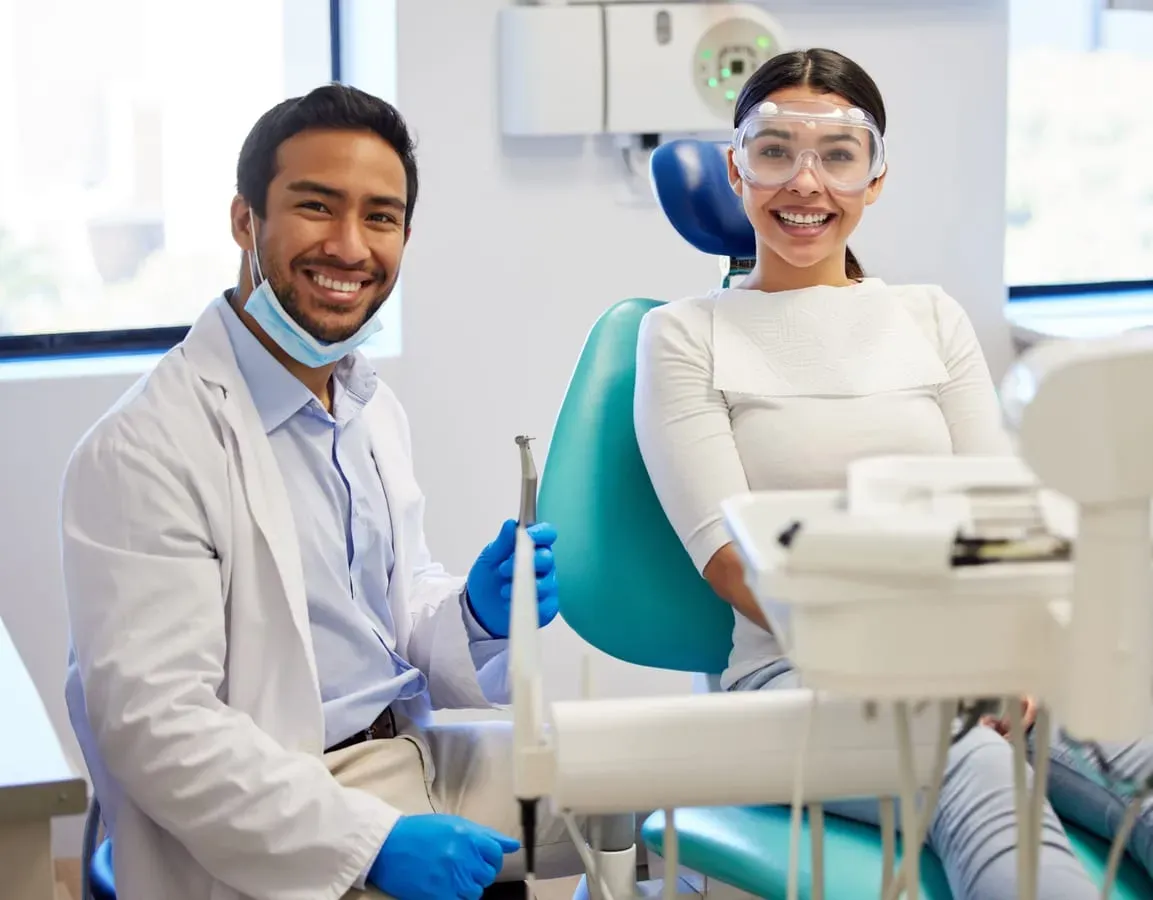
Most dental problems do not start with pain. They start quietly - a small patch of demineralized enamel, a bit of plaque tucked along the gumline, a hairline crack too small to notice. By the time discomfort shows up, the issue has usually been developing for months. Preventative care is how we catch those early signals before they turn into root canals, extractions, or worse.
At Hidden Ravines Dental, we see preventative care as the foundation of everything else we do. Families across Powell, Ohio come to us not just when something hurts, but twice a year, like clockwork, because they understand that a little consistency now saves a lot of time, money, and worry later. This article walks through what preventative dentistry actually involves, why it matters at every age, and how you can build simple habits that keep your mouth healthy between visits.
Whether you are establishing care for a new baby's first tooth or trying to get your own checkup schedule back on track after a few missed years, the information below should give you a clear picture of what to expect and why it is worth prioritizing.
In This Article
What Preventative Dental Care Actually Covers
Preventative care is the umbrella term for everything we do to stop dental problems before they start, rather than treating them after the fact. It includes routine exams, professional cleanings, digital X-rays, fluoride treatments, dental sealants, oral cancer screenings, and periodontal (gum) assessments. None of these services are glamorous, and that is partly why they get overlooked - there is no dramatic transformation photo to show off. But they are the reason some patients go decades without a single filling while others cycle through repeated restorative work.
It also includes the conversations we have with you chairside. We talk about your diet, your medications, whether you grind your teeth at night, and how your gums have been responding to brushing. Preventative dentistry is as much about information as it is about instruments. If you have questions about a specific concern, our general dentistry services page outlines the range of diagnostic and protective treatments we offer beyond the basic cleaning.
How Often Should You Really Schedule Checkups?
The standard recommendation of a checkup every six months works well for most patients, and there is solid reasoning behind it. Plaque hardens into tartar within about 72 hours, and once it calcifies, brushing and flossing can no longer remove it - only a professional cleaning can. A six-month interval also lines up with how quickly early cavities and gum inflammation tend to progress, giving us a reasonable window to intervene before small issues become bigger ones.
That said, six months is a guideline, not a rule carved in stone. Some patients benefit from more frequent visits, particularly those managing gum disease, dry mouth, orthodontic treatment, or a history of frequent cavities. Others with excellent home care and low risk factors may be fine stretching slightly longer between visits. We tailor the schedule to you rather than applying a one-size-fits-all timeline.
- Every 6 months: The standard interval for most healthy adults and children with no active dental concerns.
- Every 3-4 months: Recommended for patients with periodontal disease or a high cavity risk history.
- After major life changes: Pregnancy, new medications, or a new diagnosis like diabetes can all shift your risk profile and warrant a check-in sooner.
What Happens During a Professional Cleaning and Exam
A typical preventative visit at Hidden Ravines Dental starts with a review of your health history and any changes since your last appointment, followed by a hygienist cleaning. This includes scaling to remove plaque and tartar above and below the gumline, polishing to smooth the enamel surface, and often a fluoride application to strengthen areas prone to decay. If it has been a year or more since your last digital X-rays, we will usually recommend updated images to check for decay between teeth and changes in bone density that are invisible to the naked eye.
The exam portion involves one of our dentists checking each tooth, your gums, your bite, and the soft tissues of your mouth, throat, and neck for anything unusual. This is also when we screen for oral cancer, a step that takes just a few minutes but can be genuinely life-saving when caught early. If you are curious about the specifics of our hygiene protocols, our teeth cleaning page breaks down each stage of the process in more detail.
Why Early Detection Saves Teeth and Money
A cavity caught at the earliest stage can often be treated with a small filling in a single visit. Left unaddressed, that same spot of decay can progress to the point where it reaches the nerve, requiring a root canal and a crown - a treatment that costs significantly more and takes considerably more time in the chair. Gum disease follows a similar pattern: mild gingivitis is reversible with a thorough cleaning and better home care, but advanced periodontitis can lead to bone loss and loose teeth that no cleaning can fix.
This is really the core argument for preventative care. It is not about avoiding the dentist's chair altogether - it is about controlling when and how you sit in it. Patients who stay consistent with checkups tend to need shorter, simpler appointments. Patients who skip years at a time often need longer, more involved treatment plans once problems are finally addressed. If you are dealing with a toothache or visible damage right now, our restorative dentistry services can help, but our goal is always to get you back onto a preventative schedule as soon as possible.
Building a Home Care Routine That Actually Works
Professional visits only cover a small fraction of the year - the rest is on you, and that is where the real prevention happens. The good news is that an effective routine does not need to be complicated. Brushing twice a day with a fluoride toothpaste, flossing once daily, and limiting frequent snacking on sugary or acidic foods covers most of what matters.
- Brush for a full two minutes: Most people brush for closer to 45 seconds, which is not long enough to clear plaque from every surface.
- Floss before you brush, not after: This loosens debris between teeth so your toothpaste's fluoride can reach those surfaces too.
- Rinse with water after sugary or acidic drinks: This helps neutralize acid without the abrasive effect of brushing immediately afterward.
- Replace your toothbrush every three months: Frayed bristles clean far less effectively than you might think.
Preventative Care for Children and Growing Families
Children benefit enormously from preventative dentistry because their enamel is still developing and more vulnerable to decay. We recommend a first visit around the time the first tooth appears or by their first birthday, which lets us track development and catch issues like early childhood cavities before they spread. Dental sealants, thin protective coatings applied to the chewing surfaces of molars, are one of the most effective preventative tools we have for school-age kids, since those grooves are notoriously hard to clean with a toothbrush alone.
For parents juggling multiple schedules, we try to make preventative visits as convenient as possible by coordinating appointment times for siblings and keeping explanations simple and low-pressure for younger patients. Families throughout Powell appreciate that consistency, and it tends to make kids far less anxious about dental visits as they grow older. You can learn more about age-specific care on our pediatric dentistry page.
Key Clinical Takeaways
- Preventative care includes exams, cleanings, X-rays, fluoride, sealants, and oral cancer screenings, not just a basic polish.
- Most patients should plan on checkups every six months, though your personal risk factors may call for more frequent visits.
- Catching cavities and gum disease early means simpler, less expensive treatment down the road.
- A consistent home routine of brushing, flossing, and mindful eating does most of the heavy lifting between visits.
- Children benefit from establishing preventative habits early, including sealants and age-appropriate checkup schedules.
Frequently Asked Questions
Does dental insurance usually cover preventative visits?
Most dental insurance plans cover two preventative visits per year at little to no cost to you, since insurers recognize that prevention is far cheaper than treating advanced problems. Our front desk team can verify your specific benefits before your appointment so there are no surprises.
I have not been to the dentist in a few years. What should I expect?
We will start with a thorough exam and updated X-rays to understand your current oral health, then build a plan from there. It is common to need a deeper cleaning at first if tartar has built up, but there is no judgment - our goal is simply to get you back on a healthy, manageable schedule.
Are dental X-rays necessary at every visit?
Not necessarily. We typically recommend X-rays once a year for most patients, though this can vary based on your cavity risk and gum health. X-rays let us see decay between teeth and below the gumline that is otherwise completely invisible during a visual exam.
Can preventative care help with bad breath?
Yes, in many cases. Persistent bad breath is often linked to plaque buildup, gum inflammation, or a coated tongue, all of which professional cleanings and a reviewed home care routine can address. If the issue persists after a cleaning, we will look deeper at other possible causes.
Making Prevention a Habit, Not an Afterthought
Preventative care works best when it becomes routine rather than something you think about only after a problem shows up. Two checkups a year, a solid home care routine, and open communication with your dental team add up to fewer surprises, less time in treatment chairs, and lower costs over the course of your life.
Our team at Hidden Ravines Dental is here to make that process straightforward for you and your family, whether you are coming in for a routine cleaning or getting back on track after time away. A little consistency goes a long way toward keeping your smile healthy for years to come.