Restorative Care
Repair cavities and worn teeth with composite fillings that blend naturally into your smile while restoring full chewing strength.
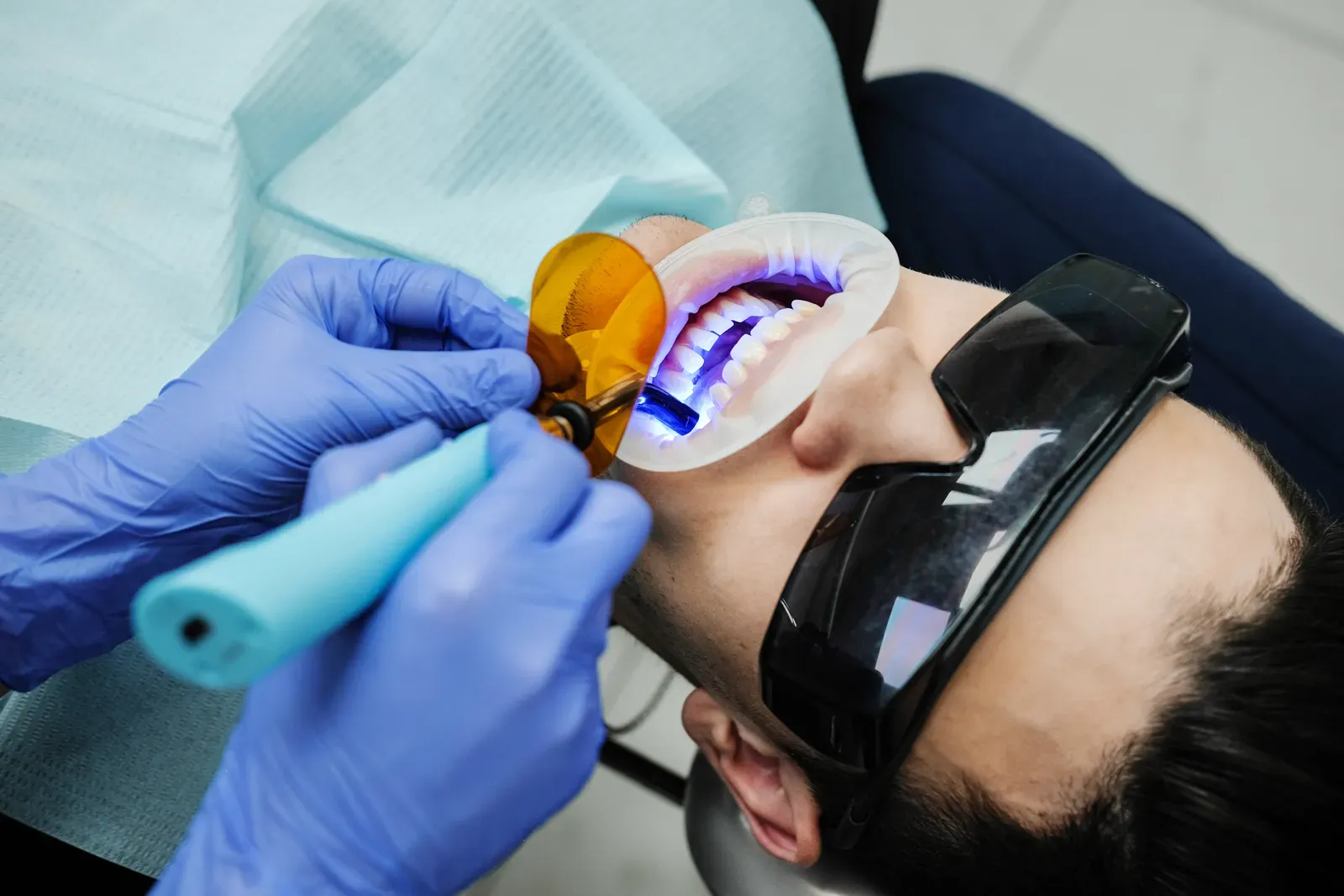
A cavity rarely announces itself gently. It can start as a faint twinge when you drink something cold, or show up quietly as a small dark spot your dentist points out during a routine checkup. Left alone, tooth decay spreads through the enamel and into the softer dentin underneath, eventually threatening the nerve. At Hidden Ravines Dental, we repair this kind of damage with composite resin fillings that are shaded and layered to match the surrounding tooth, so the repair becomes part of your smile instead of standing out from it.
Composite fillings do more than fill a hole. The material bonds directly to the remaining healthy tooth structure, which means we can remove only the decayed portion and leave the rest of your natural tooth intact. That conservative approach, combined with the material's ability to flex slightly under the normal pressures of chewing, is part of why composite has become the standard choice for most cavities we treat in Powell families of every age.
Our team takes the time to explain what we find during your exam, show you the decay on digital X-rays, and walk through what the filling process will involve before any drill ever touches your tooth. We want you to leave your appointment understanding exactly what was done and why, with a restoration that looks and feels like it was never needed in the first place.
Cavities progress at different rates depending on diet, saliva flow, and how well enamel is protected day to day. Some patients feel clear discomfort early on, while others only discover decay during a routine cleaning. Watch for these common indicators between visits.
Many of these signs are subtle, and decay frequently hides between teeth where you simply cannot see it. A thorough clinical exam with digital X-rays lets us catch cavities while they are still small, which usually means a faster appointment, less tooth structure removed, and a more comfortable experience overall.
Tooth decay is rarely caused by one single habit. It typically develops from a combination of factors working together over months or years, which is why prevention has to address more than just brushing alone.
Bacteria in plaque feed on sugars and starches, releasing acid that erodes enamel. Frequent snacking or sipping sugary drinks throughout the day keeps your teeth under near-constant acid attack.
Saliva naturally neutralizes acid and washes away food debris. Certain medications, dehydration, or sleeping with your mouth open can lower saliva production and leave teeth more vulnerable.
Skipping flossing allows plaque to build up between teeth where a toothbrush cannot reach. This is one of the most common places we find new cavities forming during checkups.
Molars naturally have deep pits and fissures that trap food and bacteria more easily than flatter surfaces. This anatomy makes back teeth especially prone to decay regardless of brushing habits.
Older fillings can shrink, crack, or pull slightly away from the tooth over the years, creating a tiny gap where new decay can start underneath the existing restoration.
Frequent consumption of soda, citrus, or sports drinks softens enamel over time, making it easier for bacterial acid to penetrate and start the decay process even faster.
Every filling we place follows a careful, unhurried process designed around your comfort and the long-term strength of the repair. Here is what you can expect from the moment you sit in the chair.
We start by talking through any symptoms you've noticed and reviewing your dental history. This conversation helps us understand which teeth need attention and how long the issue may have been developing.
Digital X-rays and a close visual exam let us measure the exact size and depth of the decay. This precision tells us how much tooth structure is affected and confirms the nerve is still healthy.
We select a composite shade matched to your natural tooth color and confirm the plan with you, including whether local anesthetic is recommended for your comfort during the procedure.
Decayed material is removed, the tooth is cleaned and prepared, and the composite resin is applied in thin layers, each hardened with a curing light before the next is added for maximum strength.
Your bite is checked and polished before you leave, and we follow up at your next cleaning to confirm the filling is holding well and the surrounding tooth remains healthy.
A well-placed composite filling restores more than appearance. It brings back full function and removes the nagging discomfort that often prompts the visit in the first place.
Composite resin is shaded to match the exact color of your surrounding enamel, so the filling blends in rather than standing out when you smile or laugh.
Once decay is removed and the tooth is sealed, the sharp reaction to cold, heat, or pressure that brought you in typically resolves right away.
Composite bonds directly to enamel and dentin, which means we remove only the decayed portion rather than shaping the tooth for a larger restoration.
A properly contoured filling returns full biting force to the tooth, so you can chew comfortably on that side again without favoring the opposite jaw.
For decades, silver amalgam was the default material for fillings because of its durability and low cost. It works mechanically by locking into a larger cavity shape cut into the tooth, which often means removing healthy structure just to hold the filling in place. Composite resin takes a different approach: it chemically bonds to the tooth surface, so the preparation can be smaller and more conservative from the start.
Beyond preservation of tooth structure, composite distributes bite forces more evenly across the tooth because it flexes slightly, similar to natural enamel. Amalgam, by contrast, is rigid and can occasionally contribute to small cracks forming around the edges of the filling over many years of chewing stress. Composite's flexibility combined with its direct bond reduces that risk considerably.
There is also the simple matter of appearance. A silver filling on a visible tooth is immediately noticeable every time you smile, speak, or laugh. Composite resin allows us to match shade and translucency closely enough that most patients, and often the patients themselves after a few weeks, can no longer tell exactly where the repair sits.
A composite filling can last for many years with the right daily habits. These simple practices help protect both the restoration and the natural tooth structure around it.
Flossing clears plaque from the margin where the filling meets the tooth, an area prone to new decay if left undisturbed.
Spacing out sugary foods rather than grazing throughout the day gives your saliva time to neutralize acid between exposures.
Ice, pens, and fingernails place sudden stress on fillings that can chip composite resin or crack the surrounding tooth.
Nighttime clenching puts repeated pressure on restorations, and a custom nightguard spreads that force more evenly across your bite.
Regular visits let us catch early wear on a filling's edge long before it becomes a bigger repair or a new cavity underneath.
A quick water rinse after coffee, soda, or citrus helps clear lingering acid and protects both enamel and filling margins.
These habits go a long way toward extending the life of your filling, but they work alongside professional care rather than replacing it. Only a clinical exam can confirm whether a filling is holding up well or quietly beginning to wear.
"Patients are often surprised by how quick and comfortable a filling appointment actually is. Our goal is always to repair the tooth with as little intervention as possible and send you home with a bite that feels completely normal."
Answers to the questions we hear most often from Powell patients about tooth-colored fillings.
BOOK YOUR VISIT
Join the OH 43065 families who trust Hidden Ravines Dental. New patients and emergencies are always welcome.

 740-369-1953