Restorative Care
Caring, precise extraction care for damaged or crowded teeth, delivered with comfort-focused techniques and a clear plan for healing.
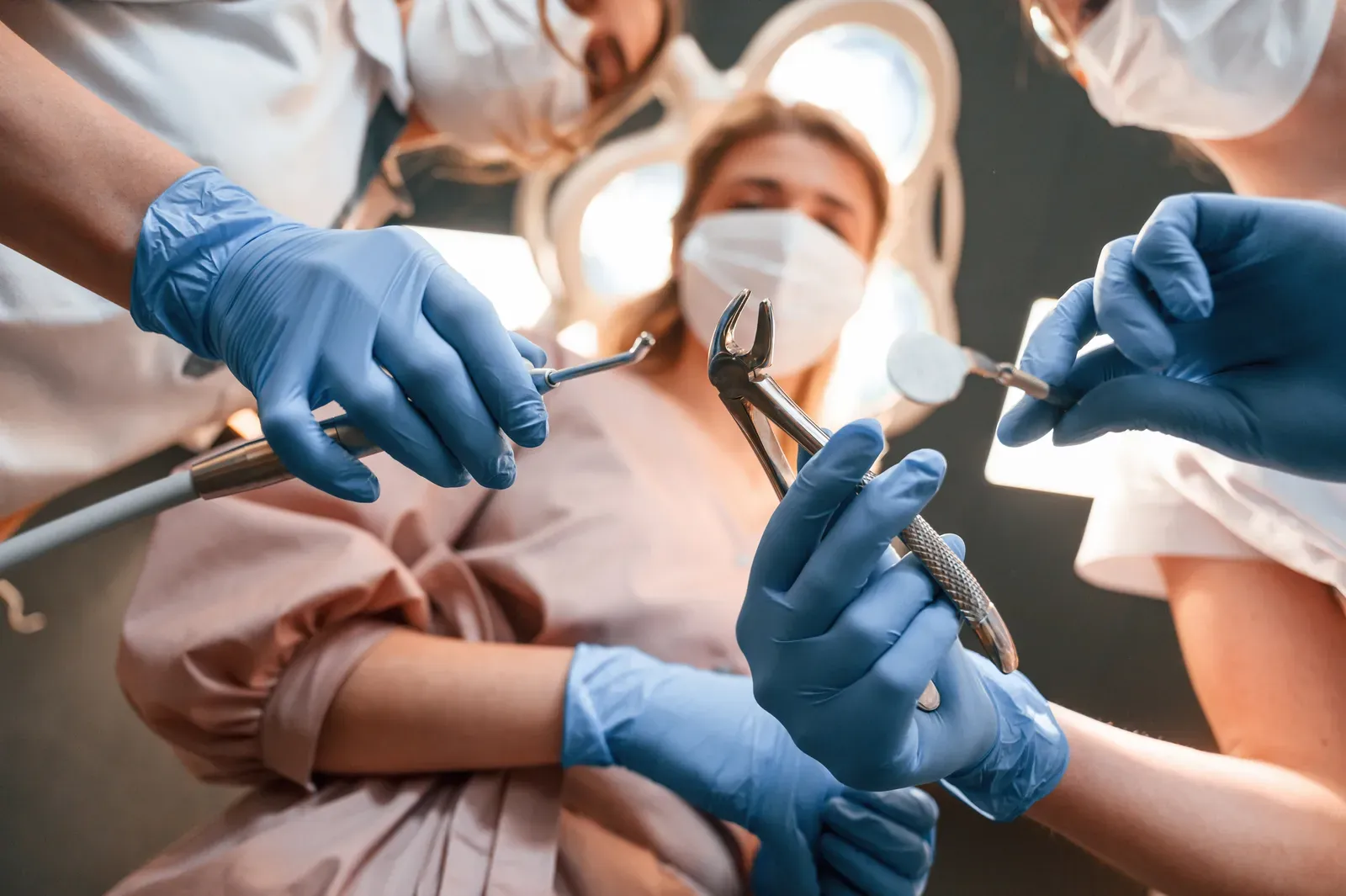
Nobody wants to hear that a tooth needs to come out, and we understand why that news can feel unsettling. At Hidden Ravines Dental, we only recommend extraction after a thorough evaluation confirms that the tooth cannot be reliably repaired or that removing it is the better choice for your long-term oral health. Whether the issue stems from deep decay, a fracture below the gum line, advanced gum disease, or a wisdom tooth that has no room to erupt properly, our goal is always to protect the health of the teeth and bone around it.
A tooth that is severely compromised rarely stays quiet. It can ache when you bite down, throb overnight, or flare up every time you eat something cold or sweet. Left untreated, infection can spread to neighboring teeth and the surrounding bone, turning a single problem tooth into a much larger concern. Removing the tooth at the right time, with the right technique, often prevents that chain reaction and gets you back to comfortable chewing and restful sleep much sooner than waiting it out.
Our approach centers on precision and patient comfort at every step. We take detailed digital imaging before any extraction to map root position, bone density, and proximity to nerves, which allows us to plan the gentlest possible approach. We also talk through your options for replacement, from a dental implant to a bridge, so you leave your appointment with a clear picture of what comes next, not just an empty space.
Every mouth tells a slightly different story, and the signs that point toward extraction can vary depending on the cause. Some patients notice sudden, sharp pain, while others have lived with a quiet, nagging discomfort for months before deciding to get it checked. A careful exam and X-ray are the only way to know for certain, but these are the warning signs we see most often in our Powell patients.
If any of these symptoms sound familiar, it's worth getting an exam sooner rather than later. Catching the problem early often means a quicker, simpler extraction and a smoother recovery, since infection and bone loss tend to make the procedure more complex the longer they're left unaddressed.
Extractions are rarely the result of just one issue. More often, several factors build up over time, and recognizing them can help you protect your remaining teeth going forward.
Cavities that go unaddressed for too long eat through enamel and dentin until little structure remains. Once decay reaches the pulp and spreads further, a filling or crown no longer has enough tooth to hold onto.
Gum disease gradually destroys the bone and ligaments that hold a tooth in place. Once mobility becomes significant, even a tooth free of decay may need to be removed to prevent infection from spreading.
A sports injury, fall, or hard bite can crack a tooth below the gum line where it cannot be repaired. Fractures that extend into the root almost always require removal to prevent ongoing pain and infection.
Third molars that lack space to fully erupt often grow sideways or remain trapped under the gum. This can crowd neighboring teeth, trap bacteria, and lead to recurring infections or cyst formation.
When there simply isn't enough room in the jaw for every tooth to align properly, removing a tooth can give braces or aligners the space needed to straighten the remaining teeth efficiently.
A tooth that has already had a root canal or crown can still reinfect if bacteria find a new path inside. When retreatment isn't realistic, extraction stops the infection from spreading further.
Certain medical conditions and medications can make it harder for the body to fight oral infection effectively. In these cases, removing a compromised tooth early can prevent a more serious health complication later.
Every extraction we perform follows a deliberate, patient-centered process. We never rush this decision, and we make sure you understand each step before moving forward so there are no surprises on the day of your procedure.
We start by listening to your symptoms and history, then discuss what you've noticed and how it's affecting your daily life. This conversation helps us understand the full picture before any imaging or treatment decisions are made.
Digital X-rays and a close visual exam let us see root position, bone density, and how close the tooth sits to nerves or sinus structures. This detailed view is what allows us to plan the safest, most comfortable approach for your specific anatomy.
We walk you through exactly what the procedure will involve, the anesthesia or sedation options available, and the realistic timeline for healing. We also discuss replacement options at this stage, so you can plan ahead if you'd like an implant or bridge.
On the day of your extraction, we numb the area thoroughly and use modern instruments designed to minimize pressure and movement. Our team checks in with you throughout the procedure so you always feel informed and comfortable.
We send you home with clear written aftercare instructions and check in on your healing progress. If you're considering an implant or bridge, we help you map out the timeline so you aren't left without a plan for the gap.
Removing a problem tooth is rarely the end goal on its own; it's the first step toward getting you back to normal, comfortable function. Here's what patients typically notice once healing is underway.
Once the infected or damaged tooth is gone, the throbbing, pressure, and sharp jolts that came with chewing typically fade within the first few days as the area begins to heal.
Removing a severely infected or crowded tooth stops bacteria and pressure from damaging the healthy teeth next to it, preserving more of your smile over the long run.
Chronic dental pain often disrupts sleep and concentration. Patients consistently report sleeping more soundly and feeling less distracted once the source of discomfort is removed.
With the problem tooth addressed, we can move straight into discussing an implant, bridge, or partial denture if you'd like to restore full chewing function and a complete smile.
A tooth under siege from decay or infection does not stay contained. Bacteria can travel through the pulp and into surrounding bone, and the pressure from an impacted or crowded tooth can gradually shift or weaken the roots of the teeth beside it. Waiting too long to address a failing tooth often means the surrounding structures absorb some of that damage before treatment ever begins.
This is why we take a broader view during every evaluation. We're not just looking at the tooth in question; we're assessing bone levels, bite alignment, and the health of adjacent teeth to understand how removal will affect your whole mouth. In some cases, this means recommending extraction sooner rather than later, even if the tooth is only mildly symptomatic, because the long-term outcome is noticeably better when infection or pressure is addressed early.
Once a tooth is removed, we also pay close attention to the socket itself. Proper healing preserves the bone volume needed for future options like an implant, so even the extraction appointment is planned with your next step in mind, not just the immediate problem.
Healing after an extraction is usually straightforward, especially if you follow a few simple habits in the days afterward. These small steps can make a real difference in how quickly you feel back to yourself.
Avoid rinsing forcefully, smoking, or drinking through a straw for the first few days so the blood clot stays intact and the socket heals without complication.
Applying a cold compress in short intervals during the first 24 hours helps keep swelling down and makes the first couple of days noticeably more comfortable.
Soups, yogurt, mashed potatoes, and smoothies keep you nourished without putting pressure on the extraction site while it begins to close.
Starting the day after your extraction, a gentle warm salt water rinse helps keep the area clean and supports faster, more comfortable healing.
Sleeping with your head slightly propped up for the first night or two can reduce throbbing and swelling around the extraction site.
Taking any prescribed antibiotics or recommended pain relievers exactly as directed helps prevent infection and keeps discomfort well managed.
These habits support a smooth recovery, but they are not a substitute for professional follow-up. If you notice increasing pain, swelling, or fever after a few days, please call us right away so we can check on the healing socket.
"We know that hearing you need a tooth removed can feel overwhelming. Our job is to make sure you understand why, feel as comfortable as possible during the procedure, and leave with a clear plan for what comes next."
Answers to the questions we hear most often from Powell patients preparing for a tooth extraction.
BOOK YOUR VISIT
Join the OH 43065 families who trust Hidden Ravines Dental. New patients and emergencies are always welcome.

 740-369-1953