
 740-369-1953
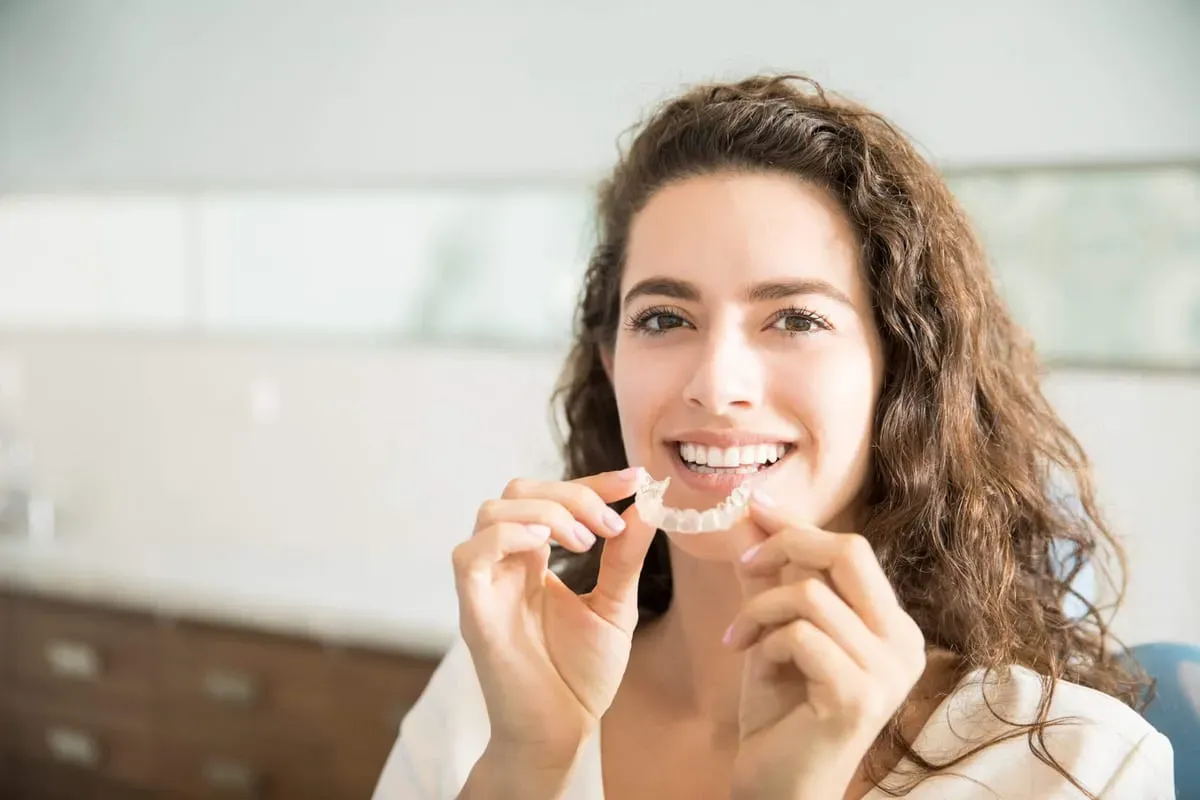
Crooked or crowded teeth affect more than your smile in photographs. They can make flossing harder, wear down enamel unevenly, and contribute to jaw discomfort that lingers for years. For adults in Powell who assumed that straightening their teeth now meant a mouth full of metal, Invisalign offers a different route - one that fits around work meetings, school pickups, and everything in between.
At Hidden Ravines Dental, we see patients of all ages who want a straighter bite without the social hesitation that can come with traditional braces. Invisalign has become one of the most requested treatments in our practice, not because it is trendy, but because it genuinely works for the way our patients live. This article walks through how the treatment functions, who tends to benefit most, and what the day-to-day experience actually looks like once you start wearing your aligners.
Whether you are weighing Invisalign against traditional braces or simply curious whether your case qualifies, this guide should give you a clear, honest picture before you ever sit in our consultation chair.
In This Article
How Invisalign Actually Straightens Your Teeth
Invisalign uses a series of custom-made clear aligners that gradually shift your teeth into a more ideal position. Instead of brackets and wires applying constant pressure, each aligner in the series is shaped slightly differently from the last, nudging specific teeth a fraction of a millimeter at a time. Over the course of treatment, those small, deliberate movements add up to a noticeably straighter smile.
The process begins with digital impressions, not the messy putty trays many patients remember from childhood. We use a scanner to capture an exact 3D model of your teeth, which gets sent to Invisalign's lab to map out your entire treatment plan before you receive a single aligner. That means you and your dentist can actually preview your projected results early on, which helps set realistic expectations from day one.
Small tooth-colored attachments, sometimes called buttons, are occasionally bonded to certain teeth to give the aligners extra grip for more complex movements. They are barely visible and are removed once treatment is complete.
Who Makes a Good Candidate for Clear Aligners
Invisalign handles a wide range of alignment issues well, from mild crowding and gaps to moderate bite problems like overbites, underbites, and crossbites. Most of our adult and teen patients in Powell qualify for treatment, though the right fit depends on your specific case and your commitment to wearing the aligners as prescribed.
- Mild to moderate crowding: Teeth that overlap or sit at odd angles usually respond well to the gradual pressure of aligners.
- Noticeable gaps between teeth: Spacing issues that affect appearance or create food traps can be closed predictably.
- Minor bite misalignment: Many overbite, underbite, and crossbite cases can be corrected without surgical intervention.
- Patients who value discretion: Professionals, teens, and anyone uneasy about visible metal brackets often prefer the nearly invisible appearance.
More severe skeletal bite discrepancies or significant tooth rotation may still require traditional braces or a combination approach. The only way to know for certain is a thorough exam and digital scan, which we provide during your initial Invisalign consultation at our Powell office.
What Treatment Looks Like, Step by Step
Your first visit is entirely diagnostic. We review your dental and bite history, check for any underlying issues like active decay or gum disease that need to be addressed first, and take a digital scan of your mouth. From there, we design a treatment plan that outlines roughly how many aligners you will need and approximately how long the full process should take.
Once your aligners arrive, you will typically switch to a new set every one to two weeks, following the schedule we set for you. Short check-in visits every six to eight weeks let us confirm your teeth are tracking correctly and make adjustments if needed. Most patients describe the first day or two with each new aligner as the only time they feel noticeable pressure, which fades quickly as the teeth adjust.
Once you finish your final aligner, retainers become essential. Teeth can shift back toward their original position without consistent retainer wear, so we fit you for a custom retainer to protect your results for years to come.
Living With Aligners: Eating, Speaking, and Routine
One of the biggest draws of Invisalign is how little it disrupts daily routine. Because the aligners are removable, you take them out to eat, which means there are no food restrictions the way there are with traditional braces. You simply brush your teeth before putting the aligners back in, which also makes oral hygiene easier to maintain throughout treatment.
For the treatment to stay on schedule, aligners need to be worn 20 to 22 hours a day, removed only for eating, drinking anything besides water, and brushing. Some patients notice a slight lisp for the first day or two as their tongue adjusts to the plastic, but this typically resolves quickly as speech patterns adapt.
Consistency matters more than almost anything else in Invisalign treatment. Skipping hours here and there can slow progress or cause the aligner to stop fitting correctly, which is why we talk openly with patients about building the habit into their day rather than treating it as optional.
Cost and Timeline: What to Realistically Expect
Invisalign cost varies based on the complexity of your case, the number of aligners required, and whether you need any additional procedures along the way. Mild cases that only require a handful of aligner sets cost less than extensive treatment correcting significant crowding or bite issues. During your consultation, we provide a clear estimate before any commitment is made, and we work with most dental insurance plans that cover orthodontic treatment.
Treatment length typically ranges from six months for minor corrections to 18 months or more for complex cases. Teen treatment sometimes runs longer since growth and eruption patterns are factored into the plan. We also offer flexible payment arrangements so cost does not become the deciding factor in getting the smile you want.
Invisalign Versus Traditional Braces
Traditional metal braces remain the better option for certain complex bite corrections, particularly in younger patients who are still growing. But for adults and teens with mild to moderate alignment concerns, Invisalign offers real advantages worth weighing carefully against braces.
- Appearance: Clear aligners are far less noticeable than metal brackets and wires, appealing to patients concerned about professional or social settings.
- Comfort: There are no sharp brackets or wires to irritate your cheeks and gums, which many adult patients especially appreciate.
- Maintenance: Removable aligners make brushing and flossing far simpler than navigating around fixed brackets.
- Discipline required: Because aligners are removable, results depend on patient compliance in a way braces, which stay fixed, do not.
Key Takeaways
- Invisalign uses a series of custom clear aligners to gradually shift teeth, guided by a digital treatment plan made before you start.
- Most mild to moderate crowding, spacing, and bite issues respond well to aligner treatment.
- Aligners must be worn 20 to 22 hours daily and switched out roughly every one to two weeks for predictable results.
- Treatment typically runs six to 18 months, with retainers required afterward to protect your results.
- A consultation with a digital scan is the only way to know your exact timeline and cost.
Frequently Asked Questions
Does Invisalign hurt?
Most patients feel mild pressure or tightness for the first day or two after switching to a new aligner, which is a sign the teeth are moving. This sensation is generally much milder than the soreness associated with tightening traditional braces.
Can I drink coffee or wine while wearing aligners?
You should remove your aligners before drinking anything other than water to avoid staining the plastic and introducing sugar or acid against your teeth. Simply rinse your mouth and brush before putting the aligners back in.
How often do I need to wear my aligners?
For treatment to progress on schedule, aligners should stay in for 20 to 22 hours each day. They only come out for eating, drinking, and brushing your teeth.
Will my insurance help cover Invisalign?
Many dental insurance plans include orthodontic benefits that apply to Invisalign, especially if your policy covers orthodontic treatment generally. Our team reviews your coverage and provides a clear breakdown of what to expect out of pocket before treatment begins.
Is there an age limit for Invisalign?
There is no strict upper age limit, and many adults start treatment well into their forties, fifties, and beyond. For younger teens, we assess whether enough permanent teeth have erupted before recommending a teen-specific aligner program.
Is Invisalign the Right Next Step for You?
Straightening your teeth is a meaningful investment, both in how your smile looks and in the long-term health of your bite. Invisalign has made that investment far more approachable for Powell patients who want results without rearranging their lifestyle around metal brackets.
The best way to know if you are a candidate is a straightforward conversation backed by a digital scan of your teeth. Our team at Hidden Ravines Dental will walk you through your specific case, answer every question honestly, and help you decide whether Invisalign fits your goals and your budget. A straighter, more confident smile is often closer than people expect.